Fuego after five—or anytime
Margaritas, mojitos & a full bar.
Classic lime, fresh and Cadillac margaritas, towers and pitchers, imported beer, mixed drinks and tequila selections.
“
From one margarita to a whole tower.
The printed menu lists a wide drink selection; current online-ordering prices are shown for selections currently listed online. In-house pricing and availability can change.
HouseMargarita20 oz · currently listed online at $8
Bar Guide
Start with the brands. Then find your pour.
Browse beer and tequila/mezcal brands first, then margaritas, detailed bottle guides, and mixed drinks. The detailed guides compare ABV/proof, flavor, history and what makes each selection distinct.
Beer
Beer by brand
Easy-to-scan brand labels make the bottle list clearer at a glance.
Domestic $3.50Imported $4
Domestic
Imported
Tequila & Mezcal
Tequila & mezcal by brand
The printed menu lists these houses and expressions. Ask your server about current bottle availability and pour pricing.
The printed menu also contains the wording “Mezcal Casa Amigos.” Because the exact brand spelling is unclear, it is not being represented as a confirmed brand logo/label here until the restaurant verifies it.
Brand names and logos are trademarks of their respective owners and are shown to identify products offered by Fuego Mexican Restaurant. Logos link to each brand's official website or manufacturer page.
Margaritas
Margaritas
House Margarita — 20 oz
$8Classic lime margarita.
Corona Rita — 20 oz
$11House margarita finished with Corona.
Margarona — 60 oz
$27Large-format margarita.
Pitcher House Margarita
$20House margarita pitcher.
Tower Margarita — Lime
$33Margarita tower, lime.
Tower Margarita — Flavor
$35Margarita tower, flavored.
Fresh Margarita
$12Fresh-style margarita.
Cadillac Margarita
$14Top-shelf Cadillac-style margarita.
Skinny Margarita
$12A lighter-style margarita.
Monster Margarita — Lime
$20Oversized lime margarita.
Monster Margarita — Flavor
$22Oversized flavored margarita.
Virgin Margarita / Daiquiri
$5.75Non-alcoholic option.
Beer Bottle Guide
Know what you’re ordering.
From ultra-light domestic lagers to amber Mexican classics, compare body, malt, hops and history before you pick a bottle.
Beer uses ABVProof is generally not used to describe beer.
American light lager
Bud Light
4.2% ABV
St. Louis, Missouri
Anheuser-Busch’s flagship light lager is built around a simple four-ingredient recipe and an easy-drinking profile.
 Busch Light
American light lager
Busch Light
4.1% ABV
United States
A long-running Anheuser-Busch light lager with a strong outdoors identity. In 2025, Anheuser-Busch reported Busch Light as the top-selling beer in Iowa.
 Miller Lite
American pilsner-style light lager
Miller Lite
4.2% ABV
Milwaukee heritage
Introduced in 1975 and marketed as the Original Light Beer, Miller Lite describes itself as a true American Pilsner.
 Michelob ULTRA
American light lager
Michelob ULTRA
4.2% ABV
United States
Launched in the early 2000s as a lower-carbohydrate, lower-calorie light beer. The standard 12-ounce serving is marketed at 95 calories and 2.6 grams of carbs.
 Coors Light
American light lager
Coors Light
4.2% ABV
Golden, Colorado
Brewed in the Coors tradition in Golden, Colorado, with the brand emphasizing cold filtration, cold lagering below freezing and cold packaging.
 Corona
Mexican pale lager
Corona Extra
4.6% ABV
Mexico
Introduced to U.S. drinkers in 1979 and closely associated with the clear long-neck bottle, lime ritual and beach-and-backyard identity.
Corona
Light Mexican lager
Corona Light
4.0% ABV
Mexico
Corona Light reached U.S. customers in 1989 as the lighter-calorie member of the Corona family.

 Modelo
Mexican pilsner-style lager
Modelo Especial
4.4% ABV
Mexico
Part of the Modelo brewing tradition dating to 1925, Modelo Especial is a fuller-flavored golden Mexican lager with a strong U.S. following.
 Modelo
Munich Dunkel-style dark lager
Modelo Negra
5.4% ABV
Mexico
A dark-lager expression with roots in Modelo’s early brewing history, built around slow-roasted caramel malts.

 Pacífico
Mexican pilsner-style lager
Pacífico Clara
4.4% ABV
Mazatlán, Mexico
Pacífico traces its roots to Mazatlán in 1900 and became closely associated with Baja travel and surf culture.
 Victoria
Vienna-style Mexican lager
Victoria
4.0% ABV
Mexico
Brewed since 1865, Victoria presents itself as Mexico’s oldest beer brand and leans into Vienna-lager malt character.

 Dos Equis
Golden pilsner-style lager
Dos Equis Lager Especial
4.2% ABV · 10 IBU
Mexico
The Cuauhtémoc-Moctezuma brewing lineage dates to 1890; Lager Especial was introduced to the U.S. in 1983.
 Dos Equis
Vienna-style amber lager
Dos Equis Ambar Especial
4.7% ABV · 22 IBU
Mexico
First brewed in 1897 as Siglo XX for the coming twentieth century, this amber lager is the older, maltier side of the Dos Equis family.
Tequila & Mezcal Bottle Guide
From bright blanco to barrel-aged sipping tequila.
Compare proof, agave character, oak aging, aroma, palate and the reason each bottle earns a different place at the bar.
ABV + U.S. proofProof equals twice the ABV for these U.S. spirit bottlings.
 José Cuervo
Joven tequila
Especial Gold (representative)
40% ABV · 80 proof
Fuego’s printed menu says “José Cuervo” without naming an expression; Especial Gold is shown as a representative current bottle.
Cuervo’s heritage reaches back more than two centuries. Especial Gold is a joven blend of younger tequilas and is one of the brand’s best-known margarita bottles.

Blanco tequila
1800 Blanco
40% ABV · 80 proof
The 1800 family is named for tequila’s early oak-aging era; the trapezoidal bottle is designed as an homage to Mexican pyramids. Blanco is the unaged foundation.

Reposado tequila
1800 Reposado
40% ABV · 80 proof
Rested roughly two to four months in a combination of new American and French oak, adding barrel sweetness and spice while keeping agave present.

Coconut-infused tequila
1800 Coconut
35% ABV · 70 proof
A special selection of 100% Blue Weber agave white tequilas infused with natural ripe coconut flavor.
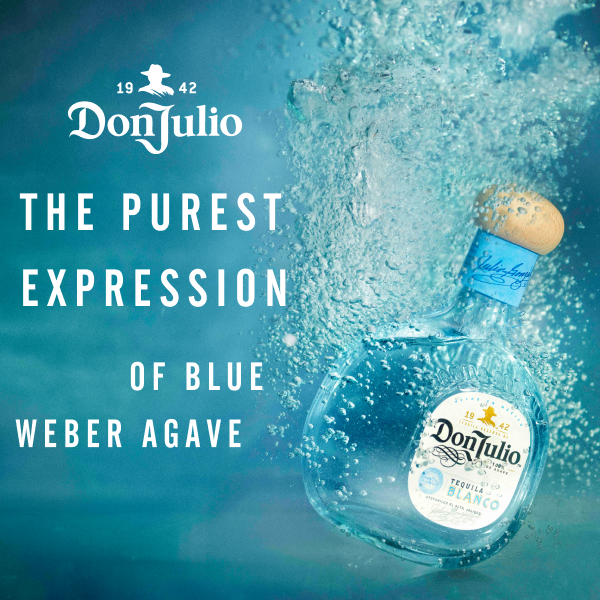
Blanco tequila
Don Julio Blanco / Silver
40% ABV · 80 proof
Don Julio González began his tequila-making journey in 1942. Blanco is double-distilled and forms the base from which the brand’s aged variants are derived.

Reposado tequila
Don Julio Reposado
40% ABV · 80 proof
Rested 8+ months in ex-bourbon American white-oak casks—significantly longer than the minimum reposado requirement.

Añejo tequila
Don Julio Añejo
40% ABV · 80 proof
Aged 18+ months in ex-bourbon American white-oak casks for a fuller sipping profile.
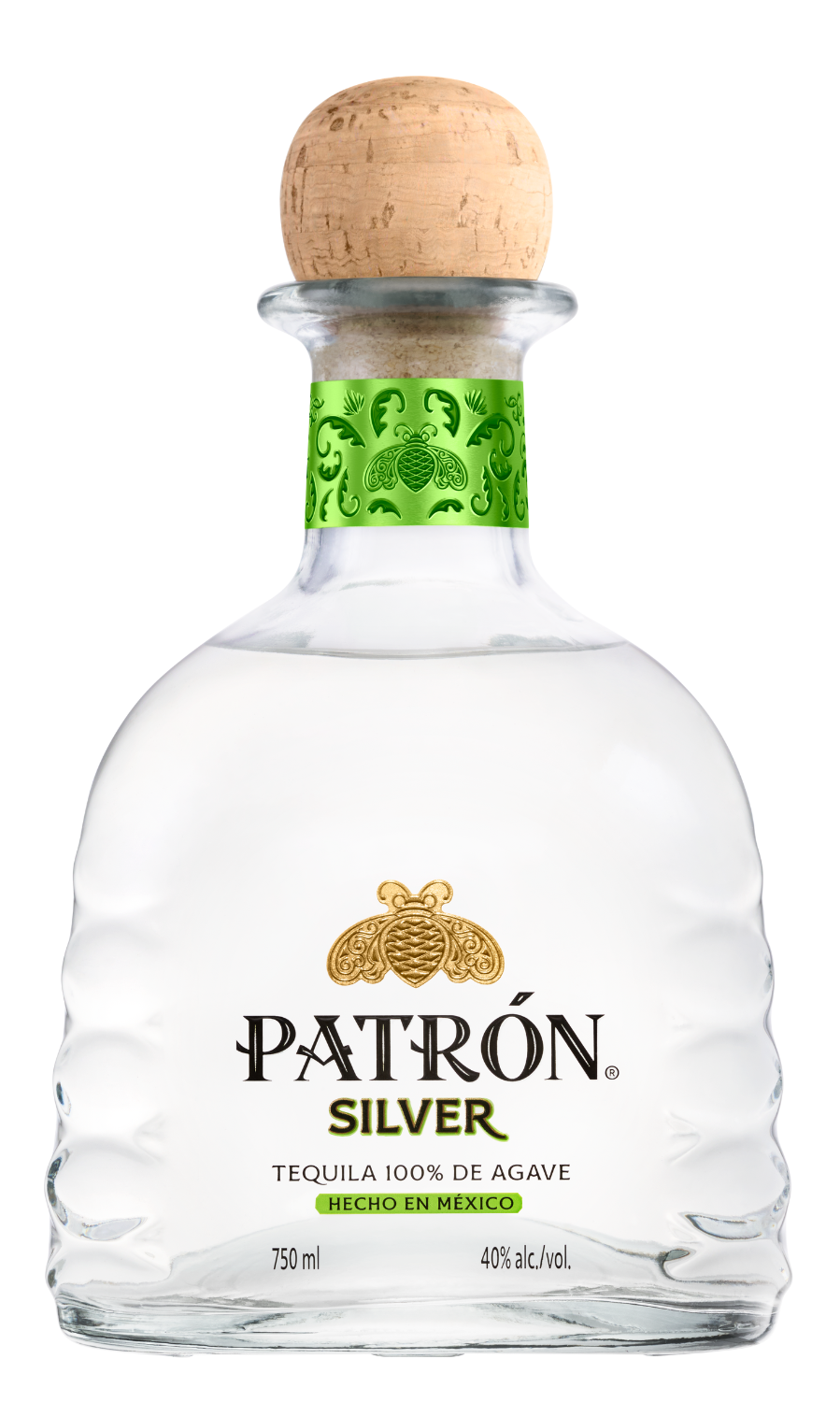
Blanco tequila
Patrón Silver
40% ABV · 80 proof
Patrón Silver is handcrafted in small batches at Hacienda Patrón in Jalisco from 100% Blue Weber agave, yeast and water.
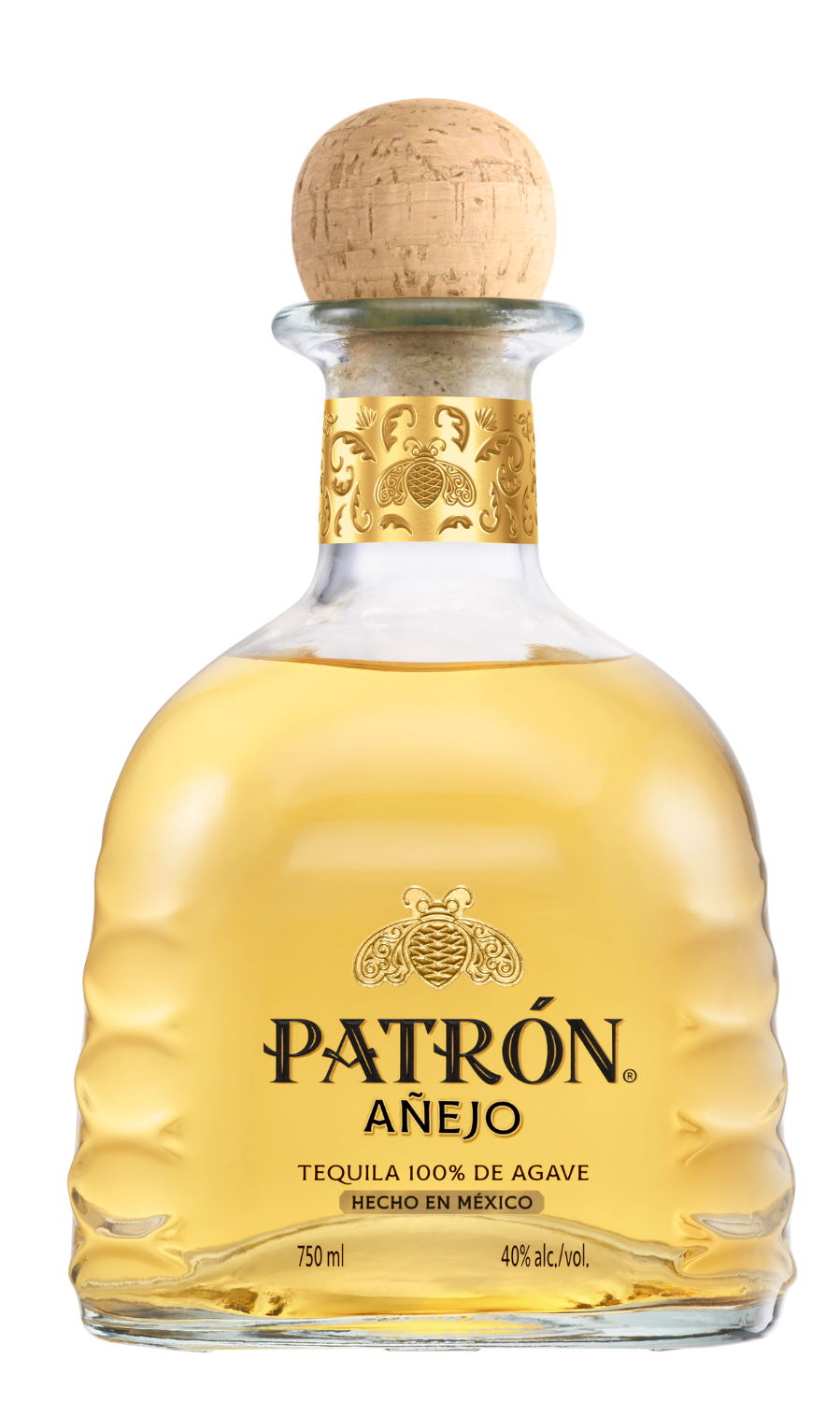
Añejo tequila
Patrón Añejo
40% ABV · 80 proof
Aged at least 12 months—typically 12 to 15—in small white-oak barrels.
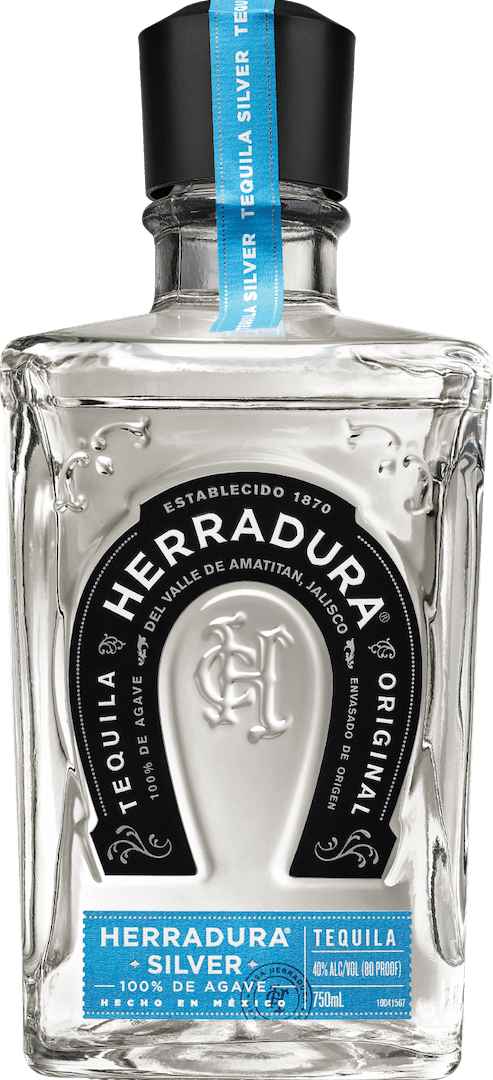
Extra-rested blanco tequila
Herradura Silver
40% ABV · 80 proof
Fuego’s menu also contains a generic “Herradura” line. Ask your server which additional Herradura expression is currently available.
Casa Herradura dates to 1870. Its Silver is unusual for a blanco because it rests about 45 days in oak before bottling.

Blanco tequila
Teremana Blanco (menu says Silver)
40% ABV · 80 proof
Made from 100% Blue Weber agave from the Jalisco Highlands, brick-oven roasted and distilled in copper pot stills.
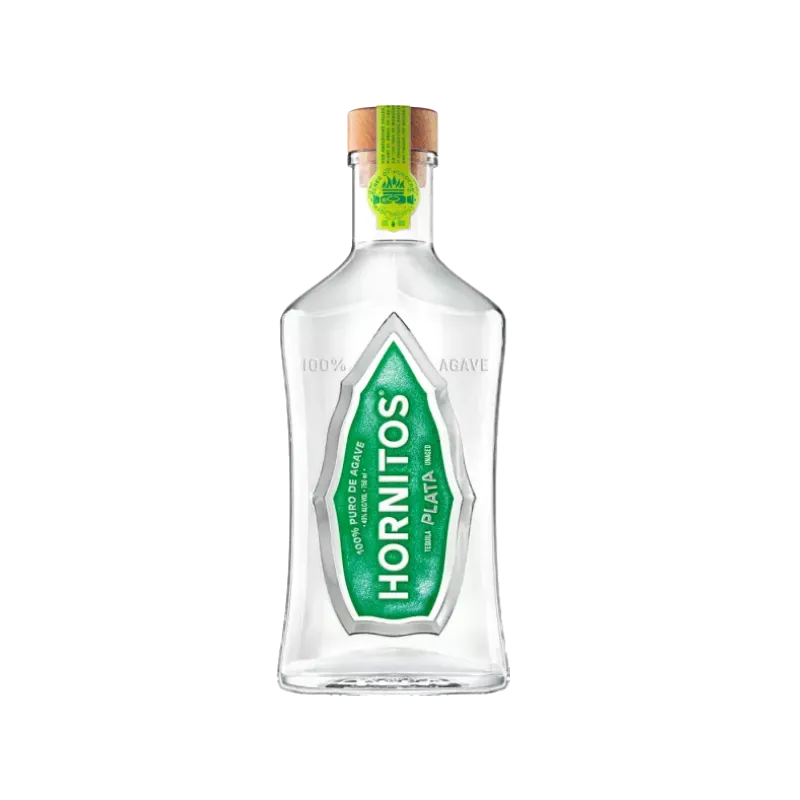
Silver tequila
Hornitos Plata (representative)
40% ABV · 80 proof
Fuego’s printed menu lists “Hornitos” without an expression; Plata is shown as a representative bottle.
Hornitos launched in 1950, with the name referencing the small ovens used to cook agave. Plata is the brand’s clean, unaged reference point.
Silver tequila
Corralejo Silver (representative)
40% ABV · 80 proof
Fuego’s printed menu lists “Corralejo” without an expression; Silver is shown as a representative bottle.
Produced at Hacienda Corralejo in Guanajuato from estate-grown 100% Blue Weber agave. The brand emphasizes handcraft, including bottles produced in its own glass factory.
Reposado tequila
Clase Azul Reposado (representative)
40% ABV · 80 proof*
Fuego’s printed menu lists “Clase Azul” without an expression; the flagship Reposado is shown as a representative bottle. *Typical U.S. Reposado bottling.
The brand’s signature creation is aged eight months in American whiskey casks and presented in a hand-decorated cobalt-and-white ceramic decanter.
Mezcal
Monte Albán Mezcal
40% ABV · 80 proof
The printed menu separately contains the unclear wording “Mezcal Casa Amigos.” That line remains unconfirmed and is intentionally not presented as Casamigos.
Named for the ancient Zapotec center in Oaxaca, Monte Albán mezcal is made from 100% agave using traditional processes.
21+ only. Selection, bottle design and availability can change. Fuego’s printed menu is the source for the brands listed here; representative expressions are identified when the menu does not specify the exact bottle. Please enjoy responsibly.
Mixed Drinks
Mixed Drinks
Daiquiri
$8Rocks or frozen.
Long Island Iced Tea
$8Classic Long Island.
Tequila Sunrise
$8Tequila, citrus and grenadine-style presentation.
Bloody Mary
$8Savory classic.
Piña Colada
$8Creamy tropical favorite.
Michelada
$9Mexican beer cocktail.
Paloma
$8Bright tequila and grapefruit-style cocktail.
Cantarito
$12.99Citrus-forward tequila cocktail.
Miami Vice
$8Frozen tropical combination.
Long Beach
$8Long Beach-style mixed drink.
Mangonada
$9Mango-forward drink with sweet, tangy and spicy character.
Blue Hawaiian
$7Tropical blue cocktail.
Bahama Mama
$8Tropical mixed drink.
Mojito
$7Mint and lime classic.
Please enjoy responsibly.
Alcohol is available only to guests age 21 and older with valid identification. Selection and availability may vary.